
Our Services
Stent Treatment

At a Glance
Stent Treatment: Coronary stent treatment is an interventional treatment method that allows significant narrowings the coronary arteries to be opened with the help of a balloon and stent. Book a cardiology appointment Kozyatağı. Assessment is individualized around symptoms, risk factors, and appropriate testing.
Stent Treatment — What Is It?
What is Stent Treatment? Coronary stent treatment is an interventional treatment method that allows significant narrowings the coronary arteries to be opened with the help of a balloon and stent. Book a cardiology appointment Kozyatağı. The goal is a clear, indication-driven plan—avoiding unnecessary testing while giving patients an understandable next step.
Dr. Sinan Coşkun Turan reviews symptoms, medical history, ECG/echocardiography findings, and advanced imaging when needed as part of Stent Treatment. Appointments can be arranged for patients in Kadıköy, Kozyatağı, Ataşehir, and nearby districts, including international patients seeking English-speaking cardiology care in Istanbul.
After evaluation, patients leave with a plain-language explanation of findings, priority lifestyle and follow-up steps, and—if required—options for further testing or treatment. Questions remain welcome throughout the pathway so decisions stay shared and informed.
In-Depth Information
What Is Stent Treatment?Coronary stent treatment is an interventional treatment method that allows significant narrowings in the coronary arteries to be opened with the help of a balloon and stent.
Today, the most commonly used stents are drug-eluting stents (DES), which have been developed to reduce the risk of re-narrowing.
Stent treatment is one of the important procedures in interventional cardiology. However, in modern cardiology, the aim is not only to place a stent, but also to determine which patient will truly benefit from stent treatment.
When May a Stent Be Needed?
Stent treatment may be required in situations such as:
- Acute heart attack
- Unstable angina
- Chest pain that continues despite medical treatment
- Severe coronary artery narrowings
- Some high-risk coronary lesions
The decision is always made by evaluating the patient’s symptoms, angiography findings, and expected clinical benefit together.
Is a Stent Placed for Every Vascular Narrowing?
No.
Not every narrowing seen on coronary angiography requires a stent.
In many patients, successful results can be achieved with:
- Medical treatment
- Cholesterol control
- Hypertension treatment
- Smoking cessation
- Exercise and lifestyle modifications
The decision for stent placement should be based not only on the anatomical image, but also on clinical benefit.
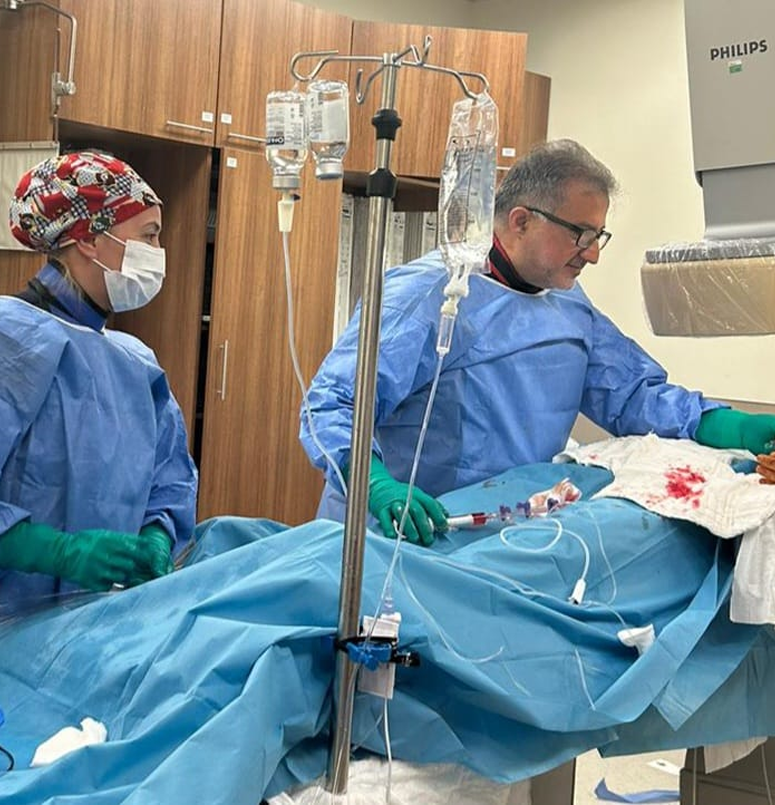
How Is a Stent Placed?
The stent procedure is usually performed through:
- The wrist artery (radial artery)
- The groin artery (femoral artery)
During the procedure:
- The narrowed area is reached using thin catheters.
- The artery is widened with the help of a balloon.
- The stent is placed.
- Blood flow through the vessel is restored.
Most procedures are performed under local anesthesia.
Drug-Eluting Stents (DES)
Today, the most commonly used stents are drug-eluting stents.
These stents:
- Reduce the risk of re-narrowing
- Improve long-term outcomes
- Increase the success of coronary interventions
Why Is Medication Important After Stent Placement?
Stent placement does not completely eliminate coronary artery disease.
After stent placement, the following are essential components of long-term success:
- Aspirin
- P2Y12 inhibitors
- Cholesterol-lowering treatment
- Hypertension treatment
- Diabetes control
Returning to Normal Life After Stent Placement
Many patients can return to daily life after the procedure.
However, the following are important for long-term outcomes:
- Smoking cessation
- LDL cholesterol control
- Regular exercise
- Weight control
- Regular use of prescribed medications
Can Re-Narrowing Occur After Stent Placement?
Yes.
Re-narrowing, known as in-stent restenosis, may occur, although it is rare.
Treatment options may include:
- Adjustment of medical treatment
- Drug-coated balloons
- New stent procedures
- Interventions guided by intravascular imaging
Thanks to modern stent technologies, restenosis rates have significantly decreased compared to the past.
Second Opinion Evaluation
Getting a second opinion may be useful for patients who have been recommended stent treatment.
The most appropriate approach can be determined by evaluating the following together:
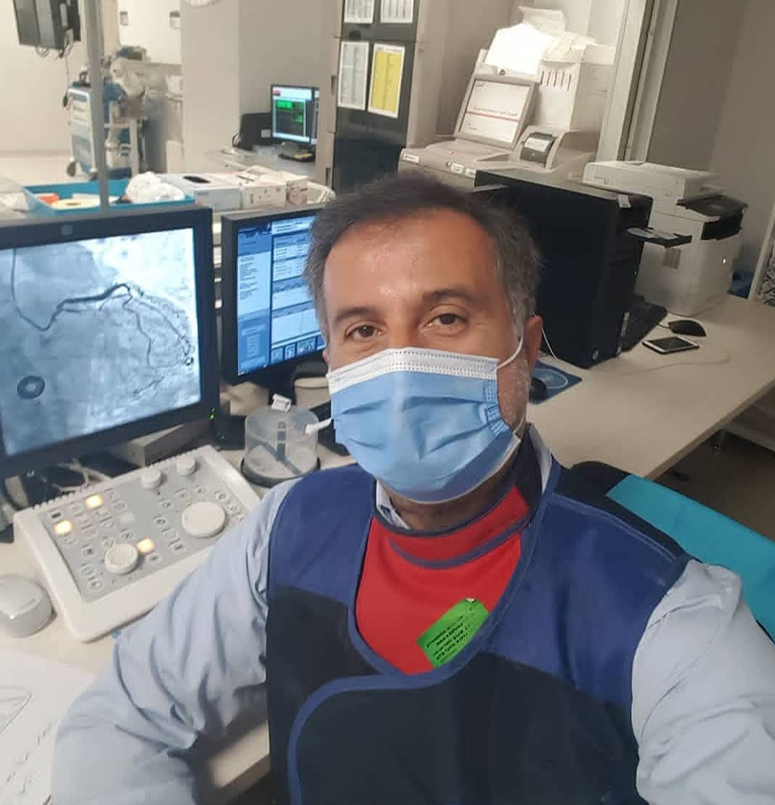
- Coronary angiography images
- Clinical findings
- Symptoms
- Medical treatment
Who Is It For?
- People with chest discomfort, palpitations, breathlessness, or blood-pressure concerns
- Those with a family history of early heart disease or multiple cardiovascular risk factors
- Patients seeking a check-up, second opinion, or preventive cardiology review
- Older adults or mobility-limited patients who need home monitoring
- Patients covered by private health insurance planning a cardiology assessment
- Anyone needing pre-operative or pre-procedural cardiac risk evaluation
Evaluation Process
-
Step 1
Initial consultation and review of symptoms and risk history
-
Step 2
Clinical examination and planning of essential tests
-
Step 3
Integrated interpretation of findings with clear patient education
-
Step 4
Shared decision on follow-up, treatment, or further investigation
-
Step 5
Control visit and longer-term monitoring plan when needed

Frequently Asked Questions
Is stent placement an open surgery?
No. It is an interventional procedure and is mostly performed through the wrist.
Is a stent required for every vascular narrowing?
No. Not every vascular narrowing requires a stent. The decision is made according to the severity of the narrowing, the patient’s symptoms, angiography findings, risk factors, and expected clinical benefit. In some patients, medical treatment and lifestyle changes may be sufficient.
Does a stent stay in the body for life?
Yes. A coronary stent generally remains permanently inside the vessel. Over time, the vessel wall heals around the stent. Regular medication use and follow-up are important after stent placement.
Is medication required after stent placement?
Yes. Medication is required after stent placement. Blood-thinning medications, cholesterol-lowering treatment, and treatment for accompanying conditions such as hypertension or diabetes are important for long-term success. Medications should be used regularly as recommended by the physician.
Is the disease completely cured after stent placement?
No. Stent placement treats the narrowed area, but it does not completely eliminate coronary artery disease. Risk factor control, regular medication use, smoking cessation, cholesterol control, exercise, and lifestyle changes remain important after the procedure.


