
Our Services
Cholesterol Management

At a Glance
Cholesterol Management: Cholesterol is a natural fat molecule found the structure of cell membranes and involved many important functions, such as hormone synthesis. Book a cardiology appointment Kozyatağı. Assessment is individualized around symptoms, risk factors, and appropriate testing.
Cholesterol Management — What Is It?
What is Cholesterol Management? Cholesterol is a natural fat molecule found the structure of cell membranes and involved many important functions, such as hormone synthesis. Book a cardiology appointment Kozyatağı. The goal is a clear, indication-driven plan—avoiding unnecessary testing while giving patients an understandable next step.
Dr. Sinan Coşkun Turan reviews symptoms, medical history, ECG/echocardiography findings, and advanced imaging when needed as part of Cholesterol Management. Appointments can be arranged for patients in Kadıköy, Kozyatağı, Ataşehir, and nearby districts, including international patients seeking English-speaking cardiology care in Istanbul.
After evaluation, patients leave with a plain-language explanation of findings, priority lifestyle and follow-up steps, and—if required—options for further testing or treatment. Questions remain welcome throughout the pathway so decisions stay shared and informed.
In-Depth Information
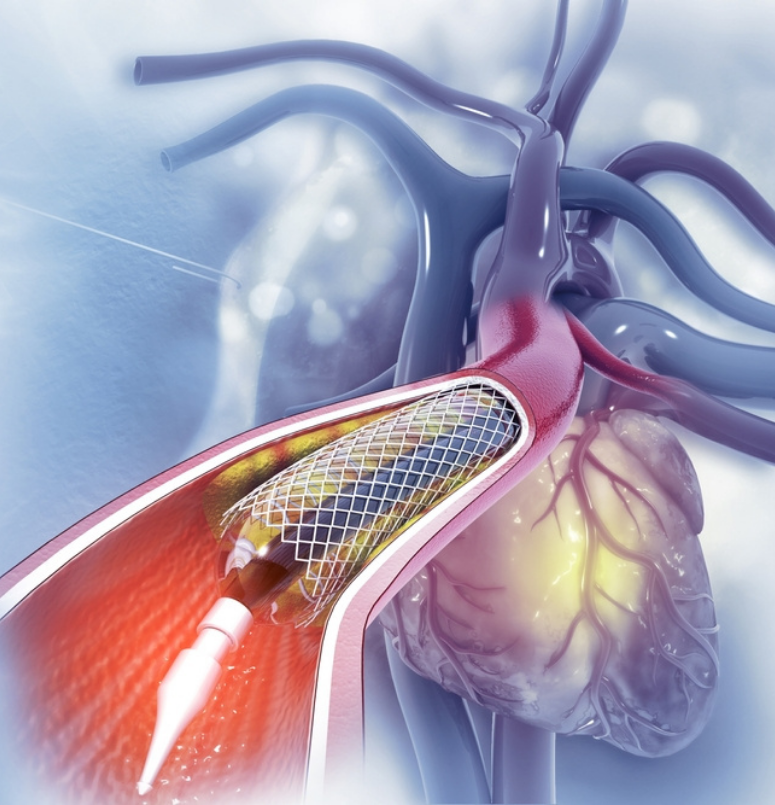
What Is Cholesterol?Cholesterol is a natural fat molecule found in the structure of cell membranes and involved in many important functions, such as hormone synthesis. However, especially elevated LDL cholesterol levels play an important role in the development of atherosclerosis.
High cholesterol often does not cause symptoms and may increase the risk of heart attack, stroke, and vascular diseases over the years.
Why Is LDL Cholesterol Important?
LDL cholesterol is the lipoprotein that plays a key role in the formation of atherosclerotic plaques.
High LDL cholesterol levels may increase the risk of:
- Coronary artery disease
- Heart attack
- Stroke
- Peripheral artery disease
There is a strong relationship between LDL cholesterol level and cardiovascular risk.
Does High Cholesterol Cause Symptoms?
In most patients, high cholesterol does not cause any complaints.
Therefore, regular cardiovascular risk evaluation is important for:
- People with a family history
- Patients with hypertension
- Patients with diabetes
- Smokers
- Overweight individuals
- Middle-aged and older adults
Is It Enough to Look Only at Cholesterol Levels?
No.
In modern cardiology, treatment decisions are not made based only on cholesterol values.
Factors evaluated together include:
- Age
- Gender
- Hypertension
- Diabetes
- Smoking
- Family history
- Presence of coronary artery disease
- Previous heart attack or stent history
The aim is not only to lower cholesterol, but also to reduce overall cardiovascular risk.
Why Is High Triglyceride Level Important?
High triglyceride levels may be associated with:
- Obesity
- Diabetes
- Metabolic syndrome
- Excessive carbohydrate consumption
- Alcohol use
In some patients, high triglyceride levels may be associated with increased cardiovascular risk.
What Is Familial Hypercholesterolemia?
Some people may have very high LDL cholesterol levels due to genetic causes.
Familial hypercholesterolemia may present with:
- Heart attack at an early age
- Early-onset atherosclerosis
- A family history of high cholesterol
Early diagnosis and appropriate treatment are very important.
Lifestyle Modifications in Cholesterol Treatment
One of the cornerstones of treatment is lifestyle modification.
These include:
- Mediterranean-style nutrition
- Regular exercise
- Weight control
- Smoking cessation
- Limiting alcohol consumption
When May Cholesterol Medications Be Needed?
Depending on the risk level, the following may be used:
- Statins
- Ezetimibe
- PCSK9 inhibitors
- Other lipid-lowering treatments
Treatment targets are determined according to the person’s cardiovascular risk level.
Not every high cholesterol value requires medication; the decision is made individually.
LDL Targets in Coronary Artery Disease
LDL cholesterol targets are lower in patients with coronary artery disease.
More aggressive cholesterol control is recommended in patients who have had a stent placed, experienced a heart attack, or are in a high-risk group. Current guidelines emphasize a risk-based approach.
Who Is It For?
- People with chest discomfort, palpitations, breathlessness, or blood-pressure concerns
- Those with a family history of early heart disease or multiple cardiovascular risk factors
- Patients seeking a check-up, second opinion, or preventive cardiology review
- Older adults or mobility-limited patients who need home monitoring
- Patients covered by private health insurance planning a cardiology assessment
- Anyone needing pre-operative or pre-procedural cardiac risk evaluation
Evaluation Process
-
Step 1
Initial consultation and review of symptoms and risk history
-
Step 2
Clinical examination and planning of essential tests
-
Step 3
Integrated interpretation of findings with clear patient education
-
Step 4
Shared decision on follow-up, treatment, or further investigation
-
Step 5
Control visit and longer-term monitoring plan when needed


Frequently Asked Questions
Does high cholesterol usually cause symptoms?
Most of the time, no. Therefore, regular check-ups are important.
an the treatment approach differ between patients?
Yes. Some patients may only require follow-up, while some patients may need interventional or surgical treatment depending on their overall cardiovascular condition.
Does every high cholesterol level require medication?
No. The treatment decision is made according to the overall cardiovascular risk assessment.
Does high LDL cholesterol increase the risk of heart attack?
Yes. High LDL cholesterol may increase the risk of atherosclerosis and heart attack.
Is high triglyceride level important for cardiovascular risk?
Yes. In some patients, high triglyceride levels may be associated with increased cardiovascular risk.


