
Our Services
Cardiovascular Check-Up in Istanbul
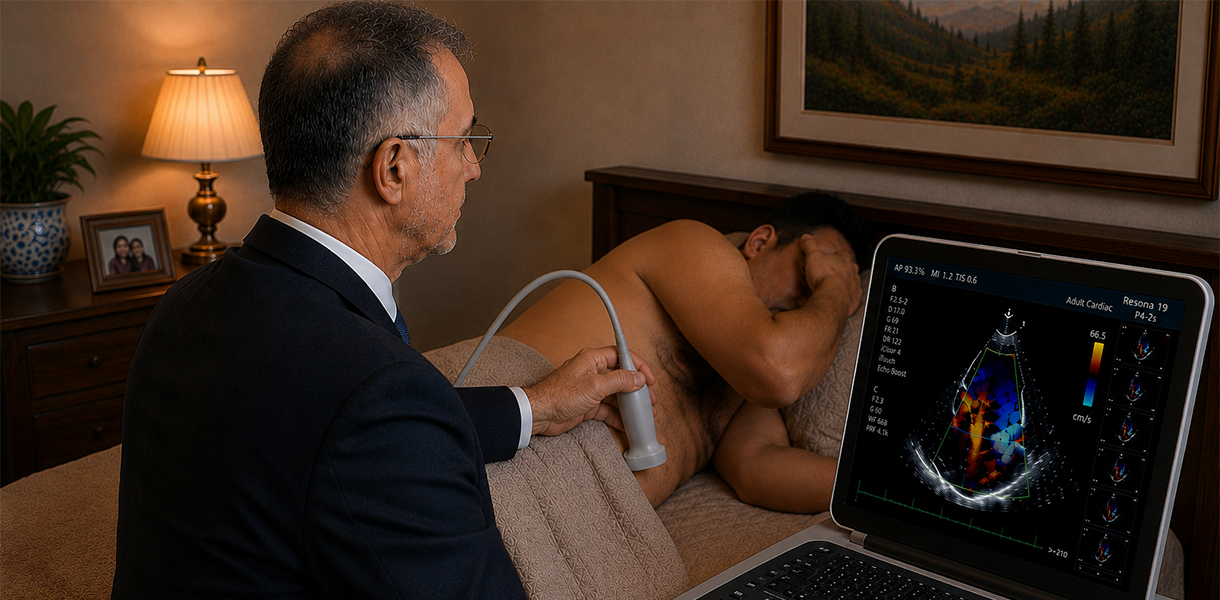
At a Glance
Cardiovascular Check-Up Istanbul: Cardiovascular check-ups are designed to evaluate cardiovascular risk, detect potential heart disease at an early stage and promote long-term heart health. Book a cardiology appointment Kozyatağı. Assessment is individualized around symptoms, risk factors, and appropriate testing.
Cardiovascular Check-Up in Istanbul — What Is It?
What is Cardiovascular Check-Up in Istanbul? Cardiovascular check-ups are designed to evaluate cardiovascular risk, detect potential heart disease at an early stage and promote long-term heart health. Book a cardiology appointment Kozyatağı. The goal is a clear, indication-driven plan—avoiding unnecessary testing while giving patients an understandable next step.
Dr. Sinan Coşkun Turan reviews symptoms, medical history, ECG/echocardiography findings, and advanced imaging when needed as part of Cardiovascular Check-Up in Istanbul. Appointments can be arranged for patients in Kadıköy, Kozyatağı, Ataşehir, and nearby districts, including international patients seeking English-speaking cardiology care in Istanbul.
After evaluation, patients leave with a plain-language explanation of findings, priority lifestyle and follow-up steps, and—if required—options for further testing or treatment. Questions remain welcome throughout the pathway so decisions stay shared and informed.
In-Depth Information
Cardiovascular Check-Up Personalized Heart Screening in IstanbulCardiovascular check-ups are designed to evaluate cardiovascular risk, detect potential heart disease at an early stage and promote long-term heart health.
Modern preventive cardiology emphasizes individualized assessment rather than standardized testing packages.
The objective is to perform appropriate investigations according to age, symptoms and cardiovascular risk profile.
Who May Benefit from a Cardiovascular Check-Up?
Cardiovascular evaluation may be useful for:
- Adults with cardiovascular risk factors
- Individuals with hypertension
- Patients with diabetes
- Smokers
- People with elevated cholesterol levels
- Individuals with a family history of heart disease
- Sedentary individuals
- Men over 40 years of age
- Women after menopause
- Patients preparing for exercise programs
Screening strategies are individualized for each patient.
Cardiovascular Risk Assessment
A comprehensive evaluation includes:
- Personal medical history
- Family history
- Blood pressure assessment
- Smoking status
- Diabetes
- Cholesterol profile
- Lifestyle habits
- Physical examination
The purpose is to identify modifiable risk factors and estimate future cardiovascular risk.
Electrocardiography (ECG)
Electrocardiography remains one of the most important initial tests in cardiology.
ECG may provide information regarding:
- Heart rhythm
- Conduction abnormalities
- Previous cardiac events
- Certain arrhythmias
Findings are interpreted together with the patient's symptoms and overall clinical condition.
Echocardiography
When clinically indicated, echocardiography may provide valuable information regarding:
- Cardiac function
- Heart valves
- Chamber dimensions
- Structural heart disease
- Heart failure
Not every patient requires echocardiography, and investigations are selected according to clinical necessity.
Holter Monitoring
Holter monitoring may be recommended for patients with:
- Palpitations
- Irregular heartbeat
- Dizziness
- Blood pressure fluctuations
- Suspected arrhythmias
Both rhythm Holter and ambulatory blood pressure monitoring are available when appropriate.
Exercise Stress Testing
Exercise stress testing may be useful in selected patients with:
- Chest discomfort
- Reduced exercise capacity
- Multiple cardiovascular risk factors
- Exercise-related symptoms
The decision to perform stress testing depends on symptoms and clinical assessment.
Family History and Genetic Risk
Individuals with a family history of:
- Premature coronary artery disease
- Sudden cardiac death
- Familial hypercholesterolemia
may benefit from earlier cardiovascular evaluation.
Preventive strategies are based on overall cardiovascular risk rather than family history alone.
Screening Before Exercise Programs
Patients planning to begin moderate or intensive exercise programs may benefit from cardiovascular evaluation, particularly when:
- Age is above 40 years
- Cardiovascular risk factors are present
- Symptoms occur during exertion
- Previous heart disease is known
The aim is to encourage safe physical activity while identifying potential cardiovascular problems.
Coronary CT Angiography in Selected Patients
Coronary CT angiography is not a routine screening test.
In selected patients with symptoms or elevated cardiovascular risk, coronary CT angiography may be considered after clinical evaluation.
Proper patient selection helps avoid unnecessary investigations.
Preventive Cardiology
Preventive cardiology focuses on reducing cardiovascular risk before serious events occur.
Management includes:
- Blood pressure control
- Lipid management
- Smoking cessation
- Diabetes treatment
- Weight control
- Physical activity
- Lifestyle modification
Long-term prevention remains one of the most effective approaches in cardiovascular medicine.
Philosophy of Care
A cardiovascular check-up should not consist of unnecessary tests performed routinely.
The approach emphasizes:
- Individualized evaluation
- Evidence-based medicine
- Appropriate test selection
- Shared decision-making
- Long-term cardiovascular prevention
The primary objective is to improve cardiovascular health rather than simply perform investigations.
International Patients
Cardiovascular check-up services are available for:
- International residents
- Expatriates
- Business travelers
- Visitors to Istanbul
- Patients seeking English-speaking medical care
Consultations are individualized according to age, symptoms and cardiovascular risk factors.
Who Is It For?
- People with chest discomfort, palpitations, breathlessness, or blood-pressure concerns
- Those with a family history of early heart disease or multiple cardiovascular risk factors
- Patients seeking a check-up, second opinion, or preventive cardiology review
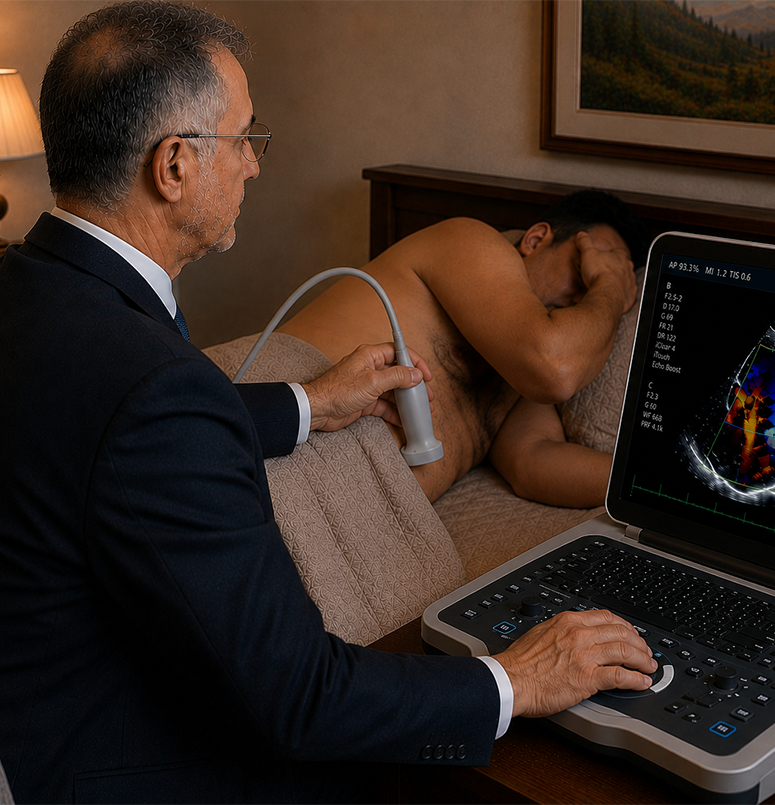
- Older adults or mobility-limited patients who need home monitoring
- Patients covered by private health insurance planning a cardiology assessment
- Anyone needing pre-operative or pre-procedural cardiac risk evaluation
Evaluation Process
-
Step 1
Initial consultation and review of symptoms and risk history
-
Step 2
Clinical examination and planning of essential tests
-
Step 3
Integrated interpretation of findings with clear patient education
-
Step 4
Shared decision on follow-up, treatment, or further investigation
-
Step 5
Control visit and longer-term monitoring plan when needed


Frequently Asked Questions
Does everyone need the same heart check-up?
No. Cardiovascular evaluation should be individualized according to risk factors and symptoms.
Is coronary CT angiography part of every check-up?
No. Coronary CT angiography is recommended only when clinically appropriate.
Do healthy individuals need cardiovascular screening?
Many adults with cardiovascular risk factors may benefit from periodic evaluation.
Can a check-up detect heart disease early?
Early detection of risk factors and cardiovascular disease is one of the goals of preventive cardiology.
Does a normal check-up eliminate future cardiovascular risk?
No. Long-term risk factor management and lifestyle modifications remain essential.


